Cobblestone Paving Costs in the UK: Materials, Labour and Budget Guide
Cobblestone paving has a way of making a driveway or patio feel established, but the price tag can catch you off guard. Costs vary enormously depending on the stone, the ground beneath, and where you live. This guide breaks down the main expenses—materials, sub-base, jointing and labour—so you can build a realistic budget and ask the right questions when quotes come in.
What drives the cost of cobblestone paving?
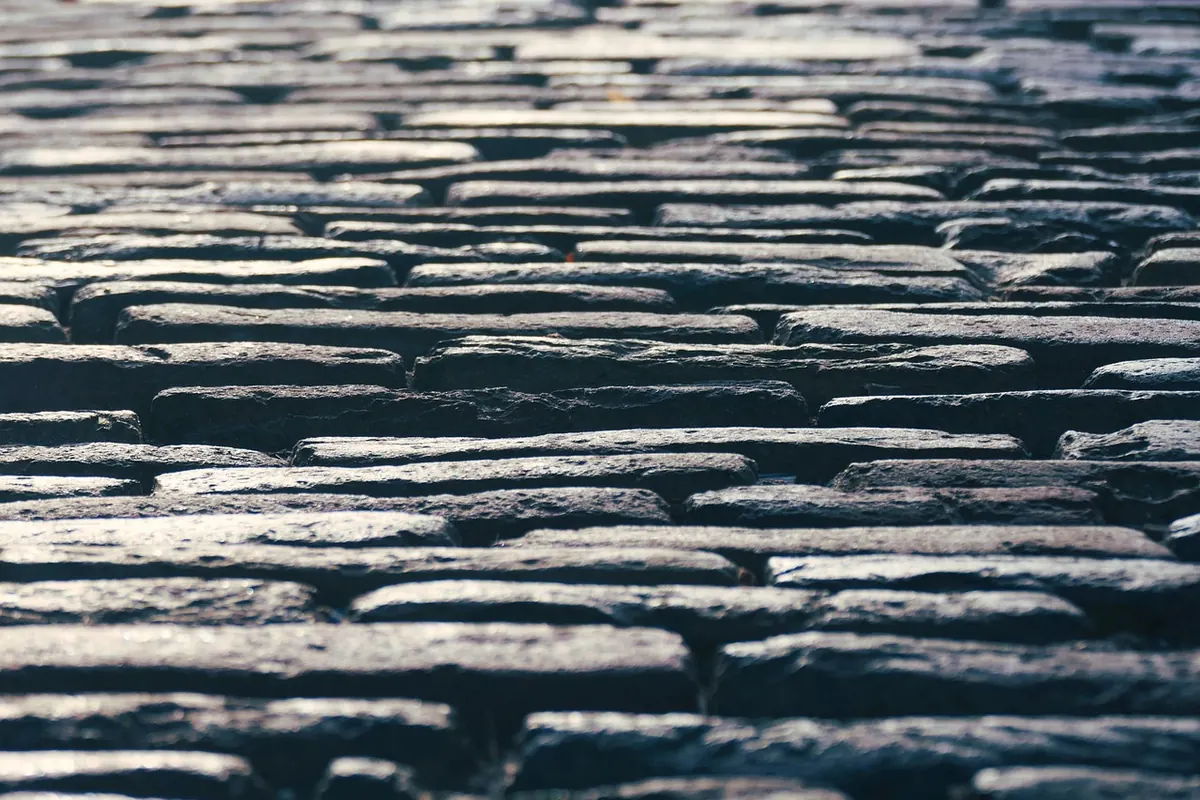
Not all cobbles are equal. A 50mm thick granite sett from a builders’ merchant costs far less than a 100mm reclaimed sandstone cobble with a hand-finished edge. The stone’s origin matters too: imported setts are often cheaper, while British stone or reclaimed material carries a premium. Size and thickness affect both the material price and how much labour is needed to lay each piece.
Access is another big factor. If a lorry can’t get close to the site, someone has to move several tonnes of stone by wheelbarrow. A simple rectangular patio with good drainage is quicker to install than a curved driveway with complex cuts, edging and channel drains. All of this shows up in the final figure.
Material costs per square metre
Material costs are usually quoted per square metre, but you need to account for several layers. Here’s a broad guide to the main components. Treat these as indicative ranges only—prices move with the market and vary by region, so always confirm with local suppliers.
- Natural cobbles: roughly £45–£120 per m² for granite, sandstone or limestone setts. Reclaimed or thick hand-cut stone can exceed £150 per m².
- Sub-base (MOT Type 1): about £10–£20 per m², assuming a 100–150mm compacted depth.
- Geotextile membrane: £1–£3 per m² to stop the sub-base mixing with the soil.
- Bedding sand or grit: £5–£10 per m².
- Jointing: kiln-dried sand costs £2–£4 per m²; mortar pointing £8–£15 per m²; resin jointing £10–£20 per m².
- Edging: £8–£20 per linear metre for granite or concrete kerbs, plus mortar.
For a typical 30m² driveway, that material list can easily run to several thousand pounds before anyone lifts a trowel.
Labour and installation costs
Installers usually price either per square metre or as a day rate. A straightforward lay on a prepared base might be £40–£80 per m². If the quote includes excavation, sub-base, drainage and pointing, expect a total installed cost of £100–£250 per m² for natural cobbles. Complex patterns, tight curves and steep slopes push you towards the upper end.
Day rates for an experienced paving team are commonly £200–£350 per person. A two-person team might take four to six days to lay and point 20m² of cobbles on a simple patio, so labour alone could be £1,600–£4,200. That’s why getting an itemised quote matters: it shows whether the price is driven by the stone or by the hours.
Sub-base, drainage and groundwork
The invisible work often decides whether your cobbles stay flat for decades or start rocking after one wet winter. You need to excavate to the right depth, compact a suitable sub-base, and allow for falls away from buildings. If the ground is clay or the site slopes, you may need extra drainage, a soakaway or a channel drain.
Skip hire for soil and old paving typically costs £200–£400 depending on size and location. Don’t forget the cost of disposing of excavated material—it’s heavy and you can’t put it in the bin. A good installer will include this in the quote; a cheap one may leave it off and add it later.
Jointing and finishing
Jointing choices affect both appearance and long-term cost. Kiln-dried sand is the cheapest option, but it needs topping up and can wash out on slopes. Mortar pointing looks traditional and is durable when done properly, though it can crack if the base moves. Resin jointing is the most expensive up front, but it resists weeds and ants and stays put.
Think about the finish you want. A brushed sand finish feels softer underfoot; a mortar joint gives a crisper line. Whichever you choose, the jointing cost is often 10–20% of the total project, so don’t overlook it when comparing quotes.
Building a realistic budget
Start with measurements, then work through the layers. This sequence keeps you from underestimating the groundwork.
- Measure the area in square metres, including any edging and cuts.
- Choose your cobble type and jointing method, and get material prices from two or three suppliers.
- Estimate sub-base, sand and membrane quantities based on the depth you need.
- Ask installers for itemised quotes that separate labour, materials, waste removal and VAT.
- Add a 10–15% contingency for unexpected ground conditions or delivery delays.
- Check that the quote includes compacting, levelling and final cleaning.
If the total feels high, consider phasing the work—perhaps a smaller patio now and a path later—rather than cutting corners on the sub-base. A poorly prepared base is the most expensive mistake you can make.
Getting quotes and planning your project
Get at least three quotes from contractors who have experience with natural stone, not just block paving. Ask to see completed cobble projects and speak to previous customers. Confirm that the price includes waste disposal, insurance and a written guarantee. If drainage or planning permission is a concern, check with your local authority or a qualified surveyor before work begins.
For money or legal matters, always seek professional advice tailored to your situation. A well-planned cobblestone project is a long-term investment, and a clear budget from the start will help you enjoy the result without nasty surprises.
Photo: Kranich17 / Pixabay